
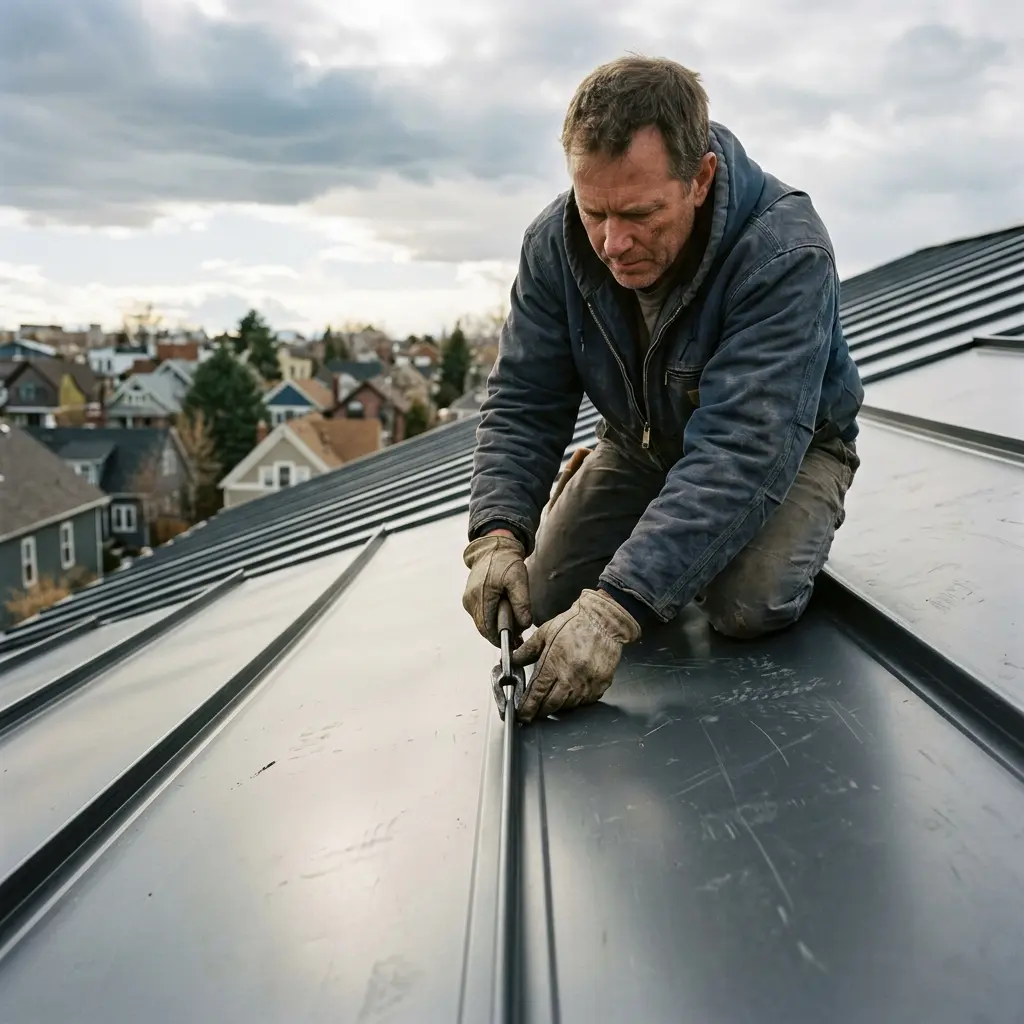
The Surprising Link Between Denver's Weather and Roof Damage
Prepared properties survive Denver’s storms, while minor neglect guarantees an expensive crisis.
Denver ranked second nationally for hail loss claims between 2017 and 2019, with 51,887 claims filed. Colorado recorded 380,066 total claims during that same period.
The numbers tell a story most property owners don’t see coming.
In the last decade, hailstorms caused more than $5 billion in insured damage across Colorado. Reports of baseball-sized hail surged nearly threefold from 2019 to 2023, climbing from 12 to 34 incidents.
The Insurance Reality Nobody Talks About
Hail-related claims now drive 55% to 70% of homeowners insurance costs statewide. Insurers responded by implementing separate hail deductibles ranging from $2,500 to $10,000, or 1-5% of home value.
This creates a gap between when damage occurs and when property owners can afford to address it.
We see this pattern repeatedly. A homeowner notices a few damaged shingles after a storm. They assume it’s minor. Six months later, water stains appear on the ceiling. By then, the insurance claim window has closed, and the repair cost has tripled.
The roofing industry operates in a reactive space. Property owners only think about their roof when something goes wrong. But Denver’s weather patterns demand a different approach.
What the Market Data Shows
The US roofing market is growing from $32.66 billion in 2025 to $46.67 billion by 2031. That’s a 43% increase in six years.
78% of contractors expect sales volumes to increase in 2026. 89% predict growth over the next three years.
But here’s what the numbers don’t show: 90% of roofing contractors identify finding skilled labor as their biggest challenge heading into 2026. The industry faces a projected shortage of 349,000 construction workers this year, climbing to 456,000 by 2027.
The roofing sector alone needs 22 times more new hires than it’s currently getting just to keep up with demand over the next six years.
This labor crisis costs the roofing industry between $9.5 billion and $19 billion in lost annual economic growth. Jobs not bid. Customers turned away. Revenue left on the table because companies don’t have enough crews to take on more work.
The Metal Roofing Shift
67% of residential contractors expect metal roofing sales to increase in 2026. Metal roofing installations in the Phoenix market have risen 15% annually.
One Phoenix company increased its metal roofing installations from 22% to 35% of total work in just two years. They expanded installation crews by 30% to meet demand.
The Metal Roofing Alliance executive director notes: “Metal is becoming so popular with homeowners. There’s just not enough contractors to keep up with the demand.”
Colorado lawmakers are implementing programs that encourage impact-resistant roofing installations. Insurance companies offer premium discounts for fortified metal roofs.
Florida regulators publicly stated that asphalt shingles only provide full hurricane protection for approximately 10 years. Failure rates climb dramatically as systems age.
This regulatory scrutiny creates compelling economics when state insurance regulators question traditional materials while offering premium discounts for metal installations.
The Restoration Alternative
Commercial roof restoration costs 50-70% less than full replacement. The typical range runs $3-7 per square foot versus $8-18 per square foot for replacement.
Modern roof coating systems can extend roof life 15-25 years at less than half the cost of replacement.
One recent 45,000 square foot warehouse in Oregon received a $580,000 replacement quote versus a $198,000 restoration cost. That’s a savings of over $380,000.
Restoration also delivers a 30% ROI when reflective coatings reduce cooling costs by up to 50%.
But restoration only works when the roof is a suitable candidate. A thorough assessment determines whether the existing system can support coating application. Waiting too long eliminates this option entirely.
What This Means for Property Owners
Insurance carriers are shortening acceptable roof ages to 15-20 years. This compresses replacement cycles and drives a steady stream of re-roofing contracts.
Labor costs have increased by an average of 14% among roofing contractors. 42% worry about building material cost increases. Asphalt shingle shipments fell 10% in 2025 even as residential demand grows.
The companies adopting technology are coming out stronger. 40% of contractors now use AI tools compared to 29% in 2024. Drone inspections reduce two-person ladder crews to single 15-minute operations.
Those relying on traditional methods face margin compression.
For property owners in Denver, the math is straightforward. Hail damage happens. Insurance deductibles are rising. Labor shortages are real. Material costs are climbing.
The window between when damage occurs and when it becomes a structural problem is shorter than most people think.
Homeowners should watch for curled or faded shingles after roughly two decades, interior water stains, and recurring leaks. These indicate it’s time for replacement before mold or structural damage develops.
The shift toward longer-lasting materials and restoration options is driving demand for trained installers. It’s forcing owners and contractors to weigh replacement versus restoration based on condition, cost, and capacity constraints.
Denver’s weather patterns aren’t changing. The insurance landscape isn’t getting more favorable. The labor shortage isn’t resolving quickly.
Property owners who understand these dynamics make better decisions. They act before the crisis. They evaluate options when they have leverage. They choose partners who can execute when capacity is tight.
The roof protects everything underneath it. In Denver, that protection faces unique challenges most markets don’t experience.
Understanding the link between weather patterns and roof damage isn’t just about avoiding problems. It’s about making informed decisions when the stakes are high and the options are limited.
Frequently Asked Questions
How often does Denver get hit with damaging hail?
Denver ranked second nationally for hail loss claims between 2017 and 2019, with over 51,000 claims filed, and severe hailstorms have caused more than $5 billion in insured damage across Colorado over the past decade.
Why do hail insurance deductibles work differently than standard claims?
Many Colorado insurers use separate hail deductibles ranging from $2,500 to $10,000, or 1 to 5 percent of your home's value, rather than your standard homeowners deductible, so it is important to know your policy's specific hail terms.
What happens if I wait too long to address hail damage?
Delayed damage like a few cracked shingles can lead to hidden leaks that show up months later as ceiling stains, by which point the insurance claim window may have closed and repair costs have grown significantly.
Is hail damage always obvious right after a storm?
No. Hail bruising can be subtle and easy to miss without a trained inspection, which is why many homeowners do not realize the extent of the damage until problems surface later.
What should I do immediately after a hailstorm hits my area?
Schedule a professional roof inspection as soon as possible so damage can be documented while it is still within your insurance claim window, before hidden issues turn into costlier repairs.


