
Hidden Roof Issues
For many homeowners, a roof looks “fine” as long as it is not leaking. Unfortunately, that assumption often falls apart during a home inspection.
Roof issues are one of the most common findings inspectors flag, and many of them are problems sellers never notice from the ground. These issues can delay a sale, trigger repair requests, or lead to last-minute price negotiations.
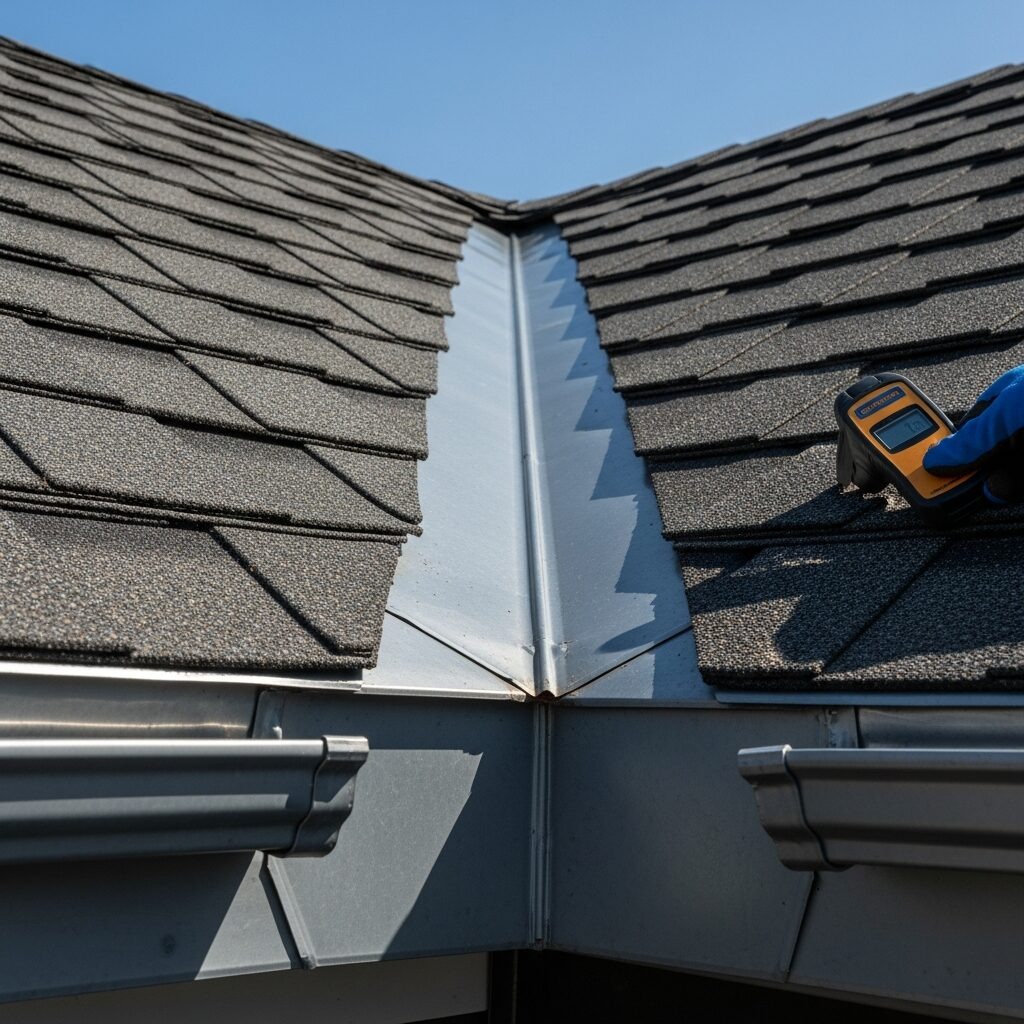
One of the most overlooked problems is flashing damage. Flashing protects the areas where the roof meets chimneys, vents, and skylights. When flashing deteriorates or pulls away, moisture can enter long before a leak is visible inside the home.
Granule loss is another hidden concern. Asphalt shingles shed granules over time, especially after heavy sun exposure or hailstorms. Excessive granule loss shortens the roof’s lifespan and signals aging, even if shingles still appear intact from afar.
Soft spots and decking issues are harder to detect without walking the roof. These often develop from slow moisture intrusion and can indicate underlying structural concerns. Inspectors routinely identify these areas during closer evaluation.
In states like Colorado, hail damage is a frequent surprise. Small impact marks may not be obvious, but inspectors are trained to spot bruising that insurance companies and buyers take seriously.
Buyers tend to react strongly to roof-related findings because replacement costs are significant. Even minor issues can feel overwhelming when bundled into an inspection report.
The best way to avoid surprises is proactive evaluation. Addressing roof concerns before listing allows sellers to control the narrative, avoid rushed repairs, and present the home with confidence.
When a roof inspection produces clean results, it reassures buyers that the home has been cared for and reduces friction during negotiations.
Frequently Asked Questions
What roof issues are most often missed during a visual check from the ground?
Flashing damage around chimneys and vents, granule loss on shingles, soft spots in the decking, and hail bruising are all common problems that rarely show up unless someone inspects the roof up close.
Why is flashing damage such a common hidden problem?
Flashing protects the seams where the roof meets chimneys, vents, and skylights, and when it deteriorates or pulls away, water can enter long before any leak becomes visible inside the home.
How does hail damage stay hidden if there's no leak?
Hail can bruise shingles without immediately breaking them, leaving marks that are easy to miss but that inspectors and insurance adjusters are trained to identify.
What does granule loss on my shingles actually mean?
Granules protect shingles from UV damage, so losing them accelerates aging and shortens the roof's remaining lifespan, even if the shingles still look intact from a distance.
Why should I get a roof inspection before selling if there's no visible leak?
A proactive inspection catches issues like flashing damage or hail bruising before a buyer's inspector does, letting you address them on your own timeline instead of facing rushed repairs or price negotiations.


